
Introduction:
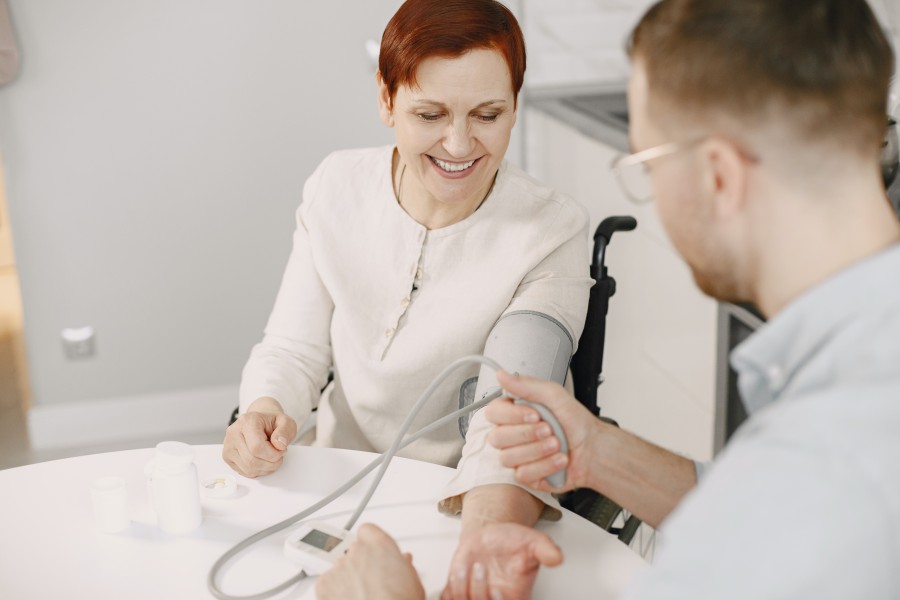
In recent years, the healthcare landscape has witnessed a remarkable shift towards home-based healthcare services. As technology advances and the desire for personalized care grows, more individuals are seeking medical attention and support from the comfort of their own homes. This blog post explores the burgeoning trend of home-based healthcare, delving into its advantages and challenges that both patients and healthcare providers should be aware of.
Advantages of Home-Based Healthcare:
- Personalized Care: Home-based healthcare allows for personalized treatment plans that are tailored to the individual needs of each patient. This leads to more effective outcomes and higher patient satisfaction.
- Comfort and Familiarity: Being in one’s own home fosters a sense of comfort and familiarity, reducing stress and anxiety commonly associated with clinical settings. This can contribute positively to the healing process.
- Reduced Infection Risk: Patients are less exposed to hospital-acquired infections, which can be a major concern in healthcare facilities. Home-based care reduces the risk of exposure to such infections.
- Improved Quality of Life: Home-based care enables patients to maintain their daily routines, stay close to family and friends, and engage in familiar activities, ultimately enhancing their overall quality of life.
- Cost-Effectiveness: Home-based healthcare can be more cost-effective than hospital care, as it eliminates the expenses associated with hospital stays and reduces transportation costs.
- Convenience for Caregivers: Home-based healthcare offers relief to family caregivers, as they can closely monitor their loved ones’ health and well-being without the stress of traveling to and from medical facilities.
Challenges of Home-Based Healthcare:
- Limited Resources: Providing comprehensive medical care at home might require specialized equipment and skilled healthcare professionals, which could be limited in certain geographic areas.
- Lack of Immediate Access to Medical Services: In urgent situations, home-based patients might not have immediate access to medical interventions available in hospitals, potentially leading to delays in critical care.
- Caregiver Burnout: Family caregivers can experience physical and emotional burnout due to the demands of providing round-the-clock care, potentially affecting their own health and well-being.
- Communication Challenges: Effective communication between healthcare providers, patients, and caregivers becomes crucial in a home-based setup to ensure accurate information exchange and coordination of care.
- Safety Concerns: Homes may not be equipped to handle complex medical procedures, leading to safety concerns for both patients and healthcare providers.
- Regulatory and Compliance Issues: Home-based healthcare services must adhere to strict regulatory standards to ensure patient safety and quality of care, which can pose challenges for smaller providers.
Conclusion:
The rise of home-based healthcare offers a promising avenue for personalized and patient-centered medical care. As this trend continues to gain momentum, it’s important to recognize both the advantages and challenges that come with providing healthcare services within the home environment. By addressing these challenges and harnessing the benefits, healthcare providers can navigate the evolving landscape of home-based healthcare to deliver high-quality and compassionate care to their patients.
Disclaimer:
The information provided in this blog post is intended for general informational purposes only and should not be considered as professional medical advice or a substitute for medical consultation with a qualified healthcare provider. It is essential to consult with a healthcare professional before making any decisions regarding medication management, healthcare treatments, or any other medical matters. The authors and creators of this blog post do not endorse or assume responsibility for any reliance on the information provided herein. Any actions taken based on the information in this blog post are at the reader’s own discretion and risk. Always seek guidance from a licensed healthcare provider for personalized medical advice and recommendations.