
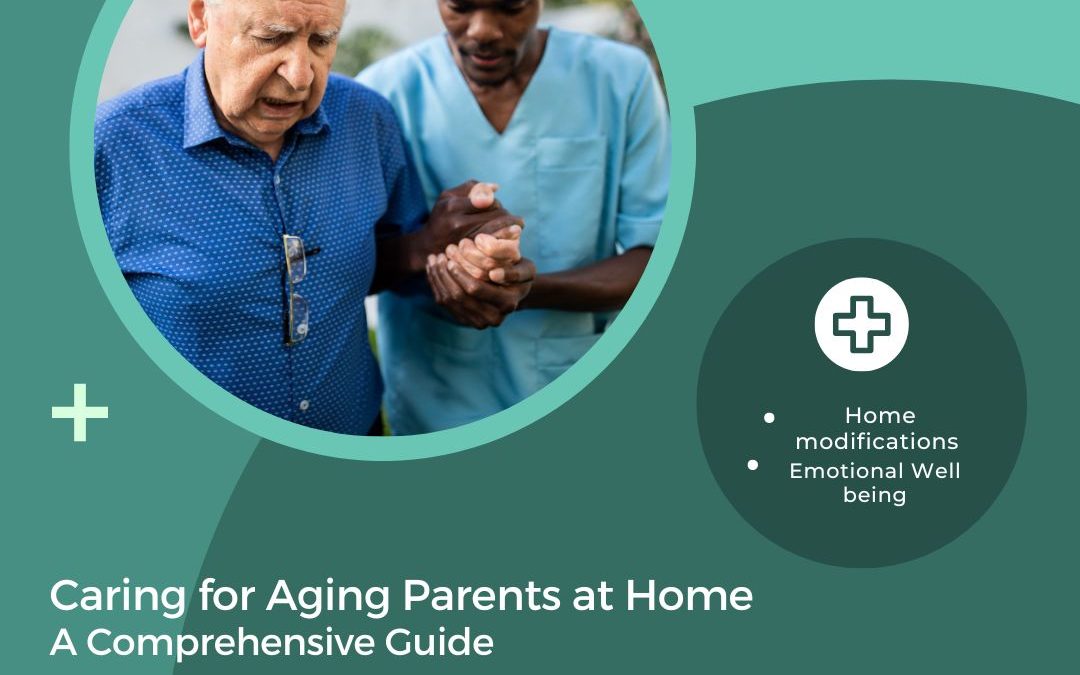
Introduction:
As our parents age, the role of caregiver often becomes an important one. Caring for aging parents at home can be a rewarding experience, but it also comes with challenges and responsibilities. This comprehensive guide aims to provide valuable insights and practical advice for individuals taking on the role of caregivers for their aging parents within the comfort of their own home.
Assessing Their Needs:
- Physical Health: Evaluate your parents’ physical health needs, including mobility, chronic conditions, and medication management.
- Emotional Well-being: Consider their emotional needs, such as social interaction, mental stimulation, and opportunities for engagement.
- Home Modifications: Assess the home environment for safety hazards and make necessary modifications for accessibility.
Creating a Care Plan:
- Medical Care: Coordinate with healthcare providers to create a comprehensive care plan that addresses medical appointments, medications, and treatments.
- Daily Routine: Establish a daily routine that includes meals, exercise, medication administration, and activities that promote mental and physical well-being.
- Communication: Maintain open communication with your parents about their preferences, concerns, and goals for their care.
Practical Tips for Caregivers:
- Respite Care: Recognize the importance of self-care and consider respite care options to avoid caregiver burnout.
- Support Network: Build a support network that includes family members, friends, and professional caregivers who can provide assistance when needed.
- Legal and Financial Matters: Address legal matters such as power of attorney, healthcare proxies, and financial planning to ensure your parents’ affairs are in order.
Emotional Support:
- Active Listening: Be a supportive listener, providing a safe space for your parents to share their feelings and concerns.
- Quality Time: Spend quality time engaging in activities your parents enjoy, fostering a sense of companionship and emotional connection.
- Seeking Professional Help: If needed, consider involving therapists, support groups, or counselors to provide emotional support for both you and your parents.
Preparing for End-of-Life Care:
- Advance Directives: Discuss and document your parents’ preferences for end-of-life care, including resuscitation and life-sustaining measures.
- Hospice and Palliative Care: Understand the options for hospice and palliative care to ensure your parents receive the best possible support in their final stages.
- Family Discussions: Initiate honest and compassionate discussions with your parents and family members about end-of-life wishes to ensure everyone is on the same page.
Conclusion:
Caring for aging parents at home is a journey that requires dedication, compassion, and careful planning. By following this comprehensive guide, you can create a supportive and comfortable environment that promotes your parents’ well-being while also taking care of your own needs. Remember that seeking assistance from healthcare professionals and building a strong support network will help you navigate the challenges and joys of this important caregiving role.
Disclaimer:
The information provided in this blog post is intended for general informational purposes only and should not be considered as professional medical advice or a substitute for medical consultation with a qualified healthcare provider. It is essential to consult with a healthcare professional before making any decisions regarding medication management, healthcare treatments, or any other medical matters. The authors and creators of this blog post do not endorse or assume responsibility for any reliance on the information provided herein. Any actions taken based on the information in this blog post are at the reader’s own discretion and risk. Always seek guidance from a licensed healthcare provider for personalized medical advice and recommendations.